Red Sea Shipping 2026: How will the Suez Canal reopening affect your supply chain
Scroll to find out more
Scroll to find out more
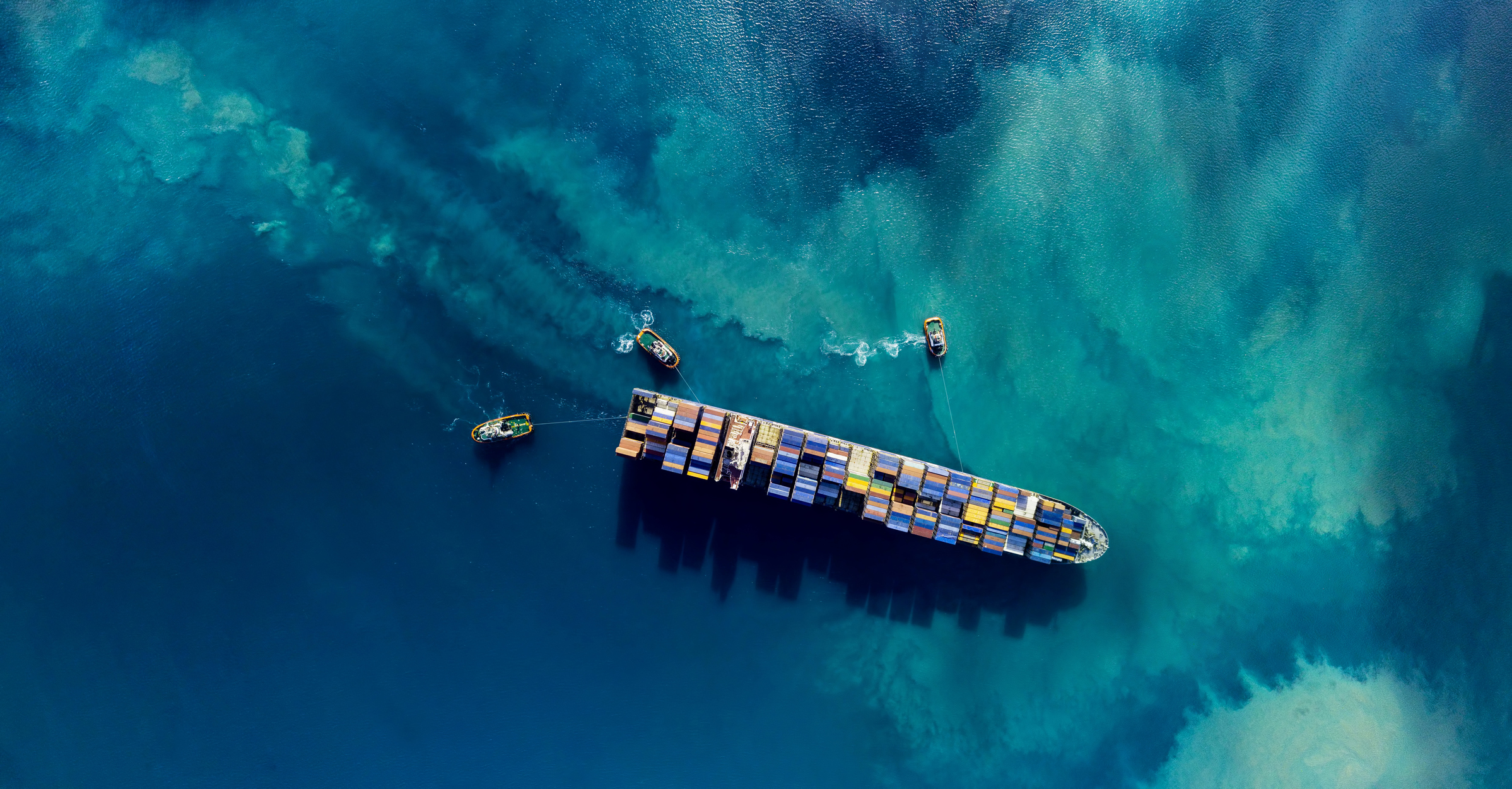
For over two years, challenges in Red Sea shipping have twisted global trade lanes into new shapes, forcing vessels around the Cape of Good Hope and changing expectations for transit times and capacity management. With reopening on the horizon, it’s clear that any return to normal will come with significant short-term pains. In our recent webinar, Red Sea Reopening: Understanding the Impact on Your Supply Chain, Zencargo VP of Ocean Freight Procurement, Anne-Sophie Fribourg, sat down with Niels Madsen, VP of Product and Operations at logistics data-experts Sea-Intelligence, to unpack exactly what this transition may look like, the advantages and disadvantages it may bring shippers and how you can plan for potential disruption.
Since the Houthi attacks began in late 2023, the vast majority of container vessels have diverted around the Cape of Good Hope. This avoidance lasted far longer than most analysts initially predicted, effectively absorbing excess capacity in the market by adding roughly 10 to 15 days to voyages between Asia and Europe.
This detour became the new normal, tightening the market and inflating spot rates due to the sheer distance required to move goods and the effective capacity reduction involved. While this might have seemed like a positive for carriers, Niels Madsen noted during the webinar that carriers are under pressure to return: “The obvious pro is of course the saving of vessels, the saving of deployment cost, the saving of fuel. You will have a much lower unit cost going through the Suez Canal.” Niels explained. “And for customers you will cut between two and three weeks, between 14 and 21 days off your transit time for your Asia cargo into Europe.”
The Suez route saves over 3,000 nautical miles and significantly reduces fuel consumption and carbon emissions, which spiked by approximately 46% for container ships in 2024 due to the longer routes.
While there is no confirmed timeline, the operational incentives for carriers (lower unit costs and better equipment turnaround in particular) make returning the Suez an imperative. But that doesn’t mean it will be quick.
The mostly likely scenario is a phased approach. Carriers are likely to test the waters with eastbound sailings first, as we have already seen with tentative moves by CMA CGM.
There are two primary windows for a broader reintroduction of Suez services:
However, shippers should be wary of false starts. As noted by Xeneta, a full-scale return requires sustained stability and confident insurance markets. Until then, we may see a fragmented market where some alliances return while others, like the Gemini group (Maersk and Hapag-Lloyd), remain cautious to protect schedule reliability.
If carriers redirect vessels through the Suez Canal, those ships will arrive in European ports at the exact same time as the vessels that departed earlier but took the longer route around Africa, with arrivals in Europe predicted to grow 10%-39%.
This could result in two to three weeks of massive volume spikes with severe consequences, including:
Even if the return to Suez reduces transit times on paper, the reality on the docks could be quite different in the short term.
For the past two years, the longer Cape of Good Hope route has absorbed a huge portion of global fleet capacity.
As Niels Madsen explained, the industry is currently witnessing a massive influx of new vessel capacity: roughly 8-9% of the global fleet is being delivered annually between 2024 and 2028. Currently, the long diversions are hiding this overcapacity. However, a return to the Suez Canal would effectively release 6% of global fleet capacity back into the market almost overnight.
If this release of capacity coincides with the delivery of new megaships, the market could swing violently from tightness to massive oversupply.
While a full return will take some time, shippers should start planning now to navigate the changes to come and avoid getting caught out.
With the risk of congestion and delays during the transition period, this will be the time to prioritise inventory carefully. Identify which SKUs are revenue-critical and ensure they are routed via the most reliable services, even if that means paying a premium or sticking to the Cape route during the initial chaotic weeks of reopening.
Do not immediately adjust your lead times to match the theoretical Suez transit times. Network reconfigurations and alliance adjustments will disrupt reliability in the early stages. Build buffers into your planning to account for the anticipated port congestion in Europe and potential equipment shortages in Asia.
With the market likely heading toward overcapacity and lower rates, locking into long-term fixed rates at current levels could be risky. Look for a provider, like Zencargo, who can offer index-linked pricing across a range of carriers to ensure you’re matching your costs to the market.
The longer transit times around Africa effectively acted as floating storage for many businesses. A return to faster transit times will remove this buffer. Shippers will need to re-evaluate their stock levels to ensure they don’t end up overstocked or, conversely, caught short if congestion delays arrivals. That includes building visibility over goods in transit and at origin, from PO to delivery – all available within Zencargo’s platform.
With conditions liable to change fast, make sure your logistics partner can help you chart a clear route forward.
While there is no confirmed date, most analysts expect a phased return, potentially following Chinese New Year (Q1) or during Golden Week (October) to minimise disruption from new arrival times.
Experts expect freight rates to drop significantly in the medium term. A return to the Red Sea shortens voyages, releasing roughly 6% of global vessel capacity back into an already oversupplied market, meaning lower rates for shippers.
The reopening is expected to reduce transit times by approximately 10 to 15 days on Asia-Europe routes compared to the Cape of Good Hope detour.
Most capacity remains routed via the Cape of Good Hope but CMA CGM has announced a full turn to come and Maersk has tested some passages. Other carriers are yet to commit.

In Focus: Tariff tumult The US Supreme Court struck down several of President T...

In Focus: Europe congestion hits post-pandemic peak Severe winter weather syste...
Less-than-Container Load (LCL) shipping is the practice of combining cargo from...