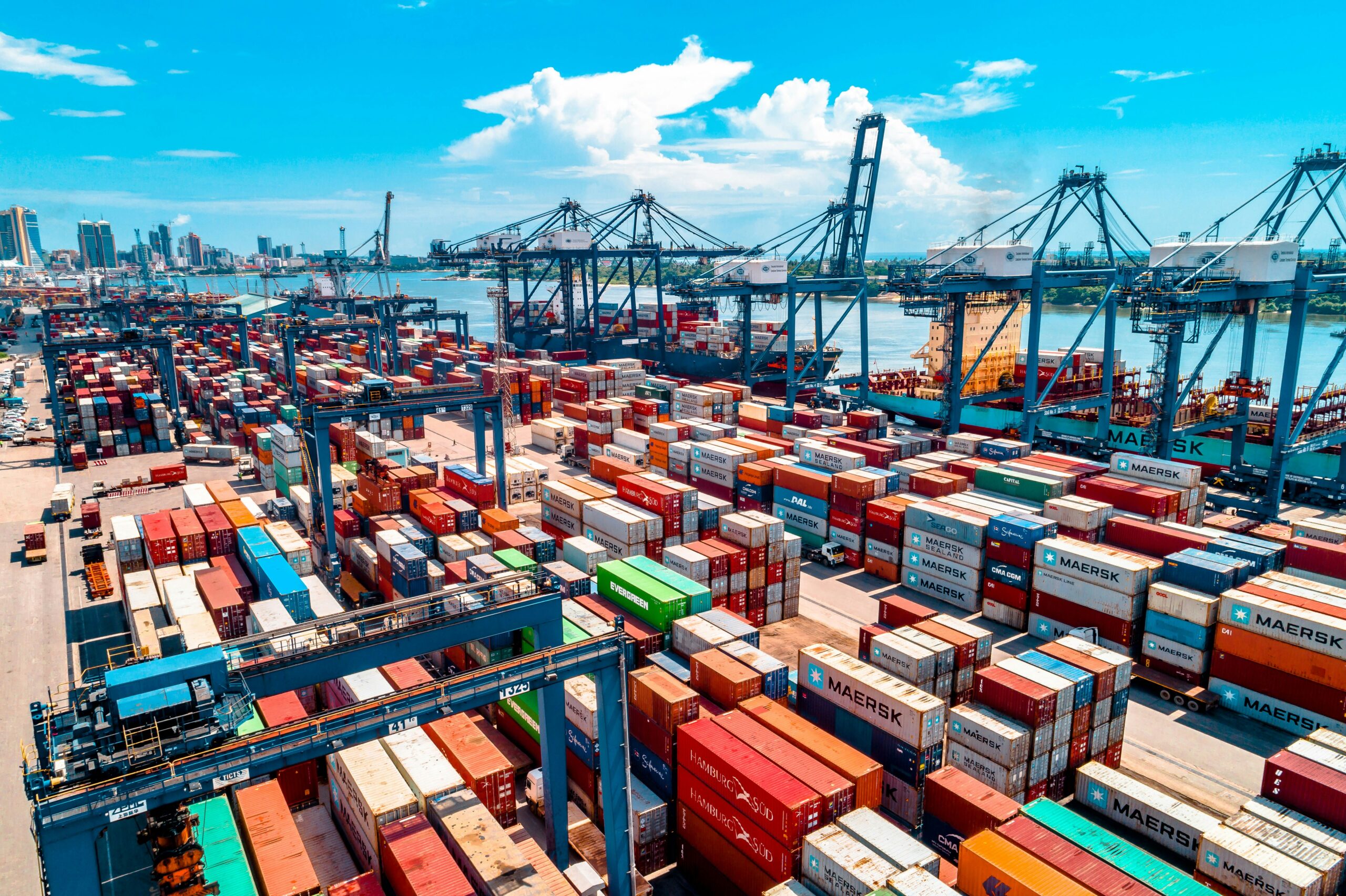
In Focus: US-India Tariffs Loom

The United States has confirmed plans to raise tariffs on Indian goods to 50%, with measures set to take effect from late August. These duties, imposed in response to India’s continued imports of Russian oil, represent one of the most punishing tariff rates on any country (on-hold Chinese tariffs excepted). 

These tariffs would affect up to 66% of India’s exports to the U.S, with potential cost escalation across a broad range of consumer and industrial products. 

While pharmaceuticals and electronics (including iPhones assembled in India) are currently exempt, sectors such as textiles, jewellery, and seafood are already reporting cancelled US orders and diversion of demand to competitors in Bangladesh and Vietnam. 

Indian officials have signalled no intention to scale back Russian oil purchases, even as refiners cautiously explore alternative supply sources. This makes a swift resolution unlikely. Importers may need to prepare for a prolonged period of elevated duties – and a potential extra layer of customs scrutiny as the U.S pays more attention to country-of-origin documents and trans-shipment in the region.  

Ocean
  • September volumes and rates are trending down, with carriers offering extended validity periods to stimulate bookings.
  • Space remains full 2–3 weeks ahead, though longer-term deals are beginning to release earlier than short-term contracts.
  • Demand has softened compared to late summer highs, pointing to a quieter September overall.
  • Blank sailings are not expected to significantly reduce demand but are causing schedule disruptions and longer dwell times at origin.
  • Equipment imbalances (EIR) have eased compared to July, as space is not as overbooked.
  • Congestion in North European ports (Rotterdam, Hamburg, Bremerhaven, Antwerp, Le Havre) continues, with high yard density affecting moves and berthing.
  • In the UK, Felixstowe is performing relatively well, Southampton is seeing some congestion, while London Gateway remains the most challenging port with severe delays.
  • Inland transport in Germany continues to be affected by low Rhine water levels, further straining schedules.
  • Announced blank sailings for Golden Week are below historical averages, suggesting carriers may cancel more sailings at the last minute in an effort to stabilise rates in softening market conditions.
Air

Central China

  • SHA: Market remains hot, with space heavily booked mid-week due to strong FBA demand. Space availability improves slightly towards the weekend but requires early confirmation.
  • NGB: Export volumes of electronics are restricting available space, tightening supply across the week.

North China

  • TSN: Market is warm. Carriers offer lower rates to LHR with longer transit times; freighter services provide earlier ETDs, though booking 4–5 days in advance is needed.
  • DLC/PEK: Most major carriers have raised rates this week. Dense cargo can still access spot space, but volume cargo needs 6–7 days’ notice and may require split shipments. Rainy weather has caused some trucking delays.
  • TAO: Market to the UK is stable, though space remains slightly tight. Spot options are being released by carriers for dense and volume shipments.

South China

  • CAN: Market is stable, but some airlines are cancelling flights. All bookings must be checked case by case.
  • SZX: Conditions remain steady, with bookings handled directly with carriers. Deferred service options are available.
  • XMN: Hot weather has reduced space allotments, tightening availability and requiring case-by-case confirmation.
Ocean
  • Demand remains flat with no surge in volumes expected, while blank sailings are occurring across some carriers.
  • Rates stayed low through the second half of August but are expected to climb as carriers begin announcing increases for September.
  • Congestion remains under control overall, with some improvement noted on the US East Coast.
  • Southeast Asian ports continue to report higher export volumes than China, shifting the balance of flows in the region.
  • Carriers including HMM and Evergreen are warning that the expiry of the U.S. tariff grace period will increase volatility and sustain congestion across major East–West trades.
  • The global container ship orderbook now stands at around 30% of the active fleet, with annual supply growth projected at 5–8% through 2028, outpacing expected demand growth of 2–4% and raising concerns over structural overcapacity.
Air

Central China

  • SHA:
    • USWC: Space remains stable but lacks large-volume cargo. Allotments fluctuate, requiring careful booking.
  • USEC: Market is steady, though space is also subject to shifting allotments. Early confirmation is advised.

North China

  • TSN: Market is hot, with freighter services providing earlier ETDs. Bookings should be made 4–5 days in advance.
  • DLC/PEK: Carriers are keeping rates stable. Dense cargo can access spot space, but larger shipments still require 6–7 days’ notice and may be split across flights. UA flights have resumed normal operations this week.
  • TAO: Market remains stable overall, with space slightly tight to the East Coast but less constrained to the West. Spot bookings are available for dense or urgent cargo.

South China

  • CAN: Market is stable, though occasional flight cancellations mean bookings should be confirmed on a case-by-case basis.
  • SZX: Conditions remain steady; all bookings are managed directly with carriers.
  • XMN: Airlines have reduced space allotments due to high temperatures, though overall conditions are similar to last week.
Ocean
  • Rates from India to North Europe have mostly stabilised in 2H August after steady increases since June, with early signs that September could bring slight market cooling.
  • Bangladesh to North Europe rates remain elevated on some carriers, with congestion at Chittagong continuing to weigh heavily on operations.
  • Severe congestion at Chittagong persists, with high yard density causing delays to vessel operations and onward inland transport. Colombo is also seeing disruption due to yard density, inter-terminal transfers, and adverse weather.
  • In Bangladesh, the inland container depots association has announced increases to local CFS charges from September. Negotiations with forwarders are ongoing, but stuffing costs at origin could be affected.
Ocean
  • Transatlantic westbound volumes are now easing after a strong first half of 2025, when U.S. imports from Europe rose sharply on the back of stockpiling and frontloading ahead of new tariffs. 
  • Bookings into early Q3 remained robust, but demand is now softening in August, with projections suggesting a decline through the second half of the year as the 15% U.S. tariff on EU goods begins to weigh on flows.
  • Capacity on the North Europe–U.S. trade remains high, with vessel deployment up notably year-on-year. This has contributed to falling spot rates through the second half of August, a trend expected to continue into September.
  • Congestion continues to challenge operations at Northern European ports, particularly Antwerp, which is seeing its worst yard pressures since the Covid-19 period
  • Rotterdam, Hamburg, and Bremerhaven remain heavily utilised, while Southern European ports also report ongoing bottlenecks. Inland logistics are strained by low water levels on the Rhine and Danube and intermittent rail disruptions, while blank sailings remain steady at 5–6% as carriers adjust rotations to manage congestion.
USA
  • Los Angeles/Long Beach: 1 vessel is waiting to berth, with rail dwell times averaging 8 days.
  • Oakland: 3 vessels are waiting, with rail dwell times of around 5 days.
  • Seattle/Tacoma: No vessels are currently waiting, but rail dwell times remain at 7 days.
  • Vancouver (Canada): 2 vessels are waiting, with a rail dwell time of 5 days.
  • New York/New Jersey: 3 vessels are waiting, with rail dwell times averaging 2 days.
  • Norfolk: 3 vessels are waiting, with a 3-day rail dwell.
  • Savannah: 2 vessels are waiting, with rail dwell times averaging 2 days.
Benelux
  • At PSA 913, yard utilisation has reduced to 70–75%, with reefer utilisation at 60–65%.
  • At PSA 869, yard utilisation has increased to 75–80%, while reefer utilisation remains stable at 45–50%.
  • At AGW, yard utilisation has remained stable at 50–55%, with reefer utilisation also stable at 60–65%. Empty container levels stand at 75–80%, and cargo opening times continue to be 5 days prior to vessel ETA.

Rotterdam

  • At ECT, yard utilisation is stable at 60–65%.
  • At RWG, yard utilisation remains at a critical level of 80–85%.
  • At DELTA II, yard utilisation is low at 30–35%, with reefer utilisation at 34%.
  • At APMT MVII, yard utilisation remains stable at 90–95%.
UK
  • European road freight rates are showing signs of convergence: spot rates have fallen for a second consecutive quarter to their lowest level since late 2023, while contract rates have edged upward. The gap between the two is now the narrowest in over a year, reflecting softer short-term demand but more stable long-term pricing.
  • Market conditions remain challenging, with weak recovery and higher operating costs. DSV reports that while capacity and diesel prices have eased slightly, operators face rising wage and maintenance costs, tighter biofuel supply, and new regulatory requirements, all of which are expected to drive medium-term upward pressure on freight costs.

Europe Public Holidays

We anticipate a shortage of availability and the occurrence of delays around the bank holiday periods. Plan ahead and allow extra time for your products to be delivered.

  • 27 Aug (Wed): Moldova
  • 29 Aug (Fri): Slovakia
  • 30 Aug (Sat): North Cyprus, Türkiye
  • 31 Aug (Sun): Moldova
  • 1 Sep (Mon): Luxembourg*
  • 2 Sep (Tue): Transnistria (PMR)
  • 3 Sep (Wed): San Marino
  • 4 Sep (Thu): North Cyprus
  • 5 Sep (Fri): Albania
  • 6 Sep (Sat): Bulgaria
  • 8 Sep (Mon): Andorra, Bulgaria, Liechtenstein, Macedonia, Malta, Spain*, Spain*, Spain*
  • 10 Sep (Wed): Gibraltar
  • 11 Sep (Thu): Spain*, Switzerland*
  • 15 Sep (Mon): Slovakia, Spain*
  • 17 Sep (Wed): Holy See (Vatican City), Spain*
  • 20 Sep (Sat): Germany*
  • 21 Sep (Sun): Malta
  • 22 Sep (Mon): Bulgaria, Switzerland*
  • 24 Sep (Wed): Austria*
  • 25 Sep (Thu): Switzerland*
  • 27 Sep (Sat): Belgium*
  • 28 Sep (Sun): Czech Republic

The route ahead

The information that is available in the Zencargo Market Update comes from a variety of online sources, partners and our own teams. Click below to learn more about how Zencargo can help make your supply chain your competitive advantage.

Get In Touch

Event